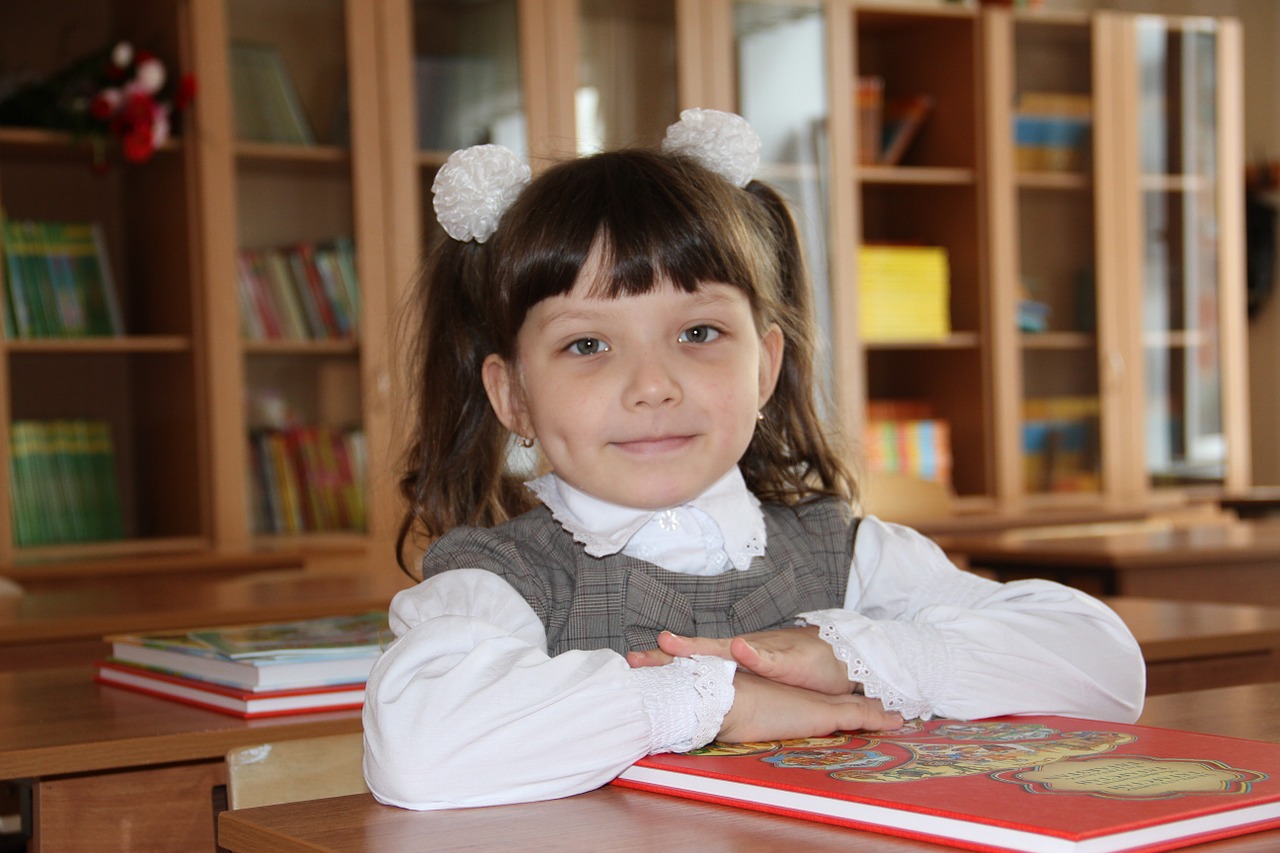
Most children in the UK will start school in the September after their fourth birthday. Some local authorities will also have a January intake for children who are born in the second half of the academic year. However, if you feel that your child is not ready for school, then you are not obliged to send him or her until the term after their fifth birthday.
Some parents feel that it is important to teach their child the letters of the alphabet or how to count up to 20 before they begin formal schooling. However, although there is nothing wrong in this, it is more important to instil a love of learning and nurture their curiosity. A parent can do this by spending time with their child, pointing out things that are seen on a slow walk to the shops or by looking for interesting “items” in the garden, for example. Of course, children may be absolutely fascinated by an empty snail shell or a pebble with a hole in it. Whatever it is, take time to talk about it and show interest.
In addition to this, your child’s reception teacher will want your child to be able to use the toilet on his own and to be able to clean up after himself. Make sure he can wash his hands with soap after using the toilet.
For PE lessons, your child will need to know how to get changed. Although, it may be much quicker to dress your child yourself, especially if you are in a hurry to get to work yourself, it is important that your child learns how to cope with getting dressed. If she can’t tie her laces, then buy velcro fastened shoes or slip-on shoes, until she learns how to do this. Practise undoing and doing up buttons and zipping trousers.
Encourage your child to sit down and eat properly and make sure he can use a cup or tumbler for drinking rather than a training cup.
Part of growing up includes learning how to socialise with others. If you are able to, invite other children around to play from time to time. Encourage and show your child how to share and how to take turns with toys or when playing games. When playing games, it is not always a good idea to ensure your child is always the winner. In life, she will not be able to win at everything and will need to learn how to lose graciously and be happy for the winner. Parents can help teach all these social niceties by teaching through example.